Insights
Practical lessons from the same knowledge base that powers Naviyara's meal insights, label guidance, and diploma paths.

Soothing & Calming: Ingredients for Redness and Irritation
Redness, irritation, and inflammation are among the most common skin concerns — and the most commonly misdiagnosed. This article covers the ingredients with the best evidence for calming sensitive skin, the mechanisms behind them, and how to distinguish between temporary irritation and chronic inflammatory skin conditions that require medical attention.

Reading the Label
Learn which parts of a food label actually matter—and which marketing claims to skip. This guide explains per-100 g and per-serving values, what to scan for in protein, fiber, added sugars, and salt, how to read ingredient lists, and how to spot common label tricks so you can make better choices in any supermarket.

Retinol: The Gold Standard in Anti-Aging
Retinol is the most thoroughly studied anti-aging ingredient available without a prescription. But it also causes the most confusion — what strength to start with, how often to use it, how to manage irritation, and why it takes months to see results.

Sleep Support
Poor sleep disrupts ghrelin and leptin — the hormones that regulate hunger — and reduces insulin sensitivity by up to 25%, creating a cycle where bad sleep drives worse food choices and those choices make the next night's sleep harder. This article explains the mechanisms behind that cycle and the nutritional inputs that break it: removing the main disruptors (caffeine's adenosine blockade, alcohol's suppression of REM, sugar-triggered cortisol release), evening blood sugar stability, the tryptophan-melatonin pathway, magnesium's role in GABA signalling, and the gut's production of serotonin as a melatonin precursor.
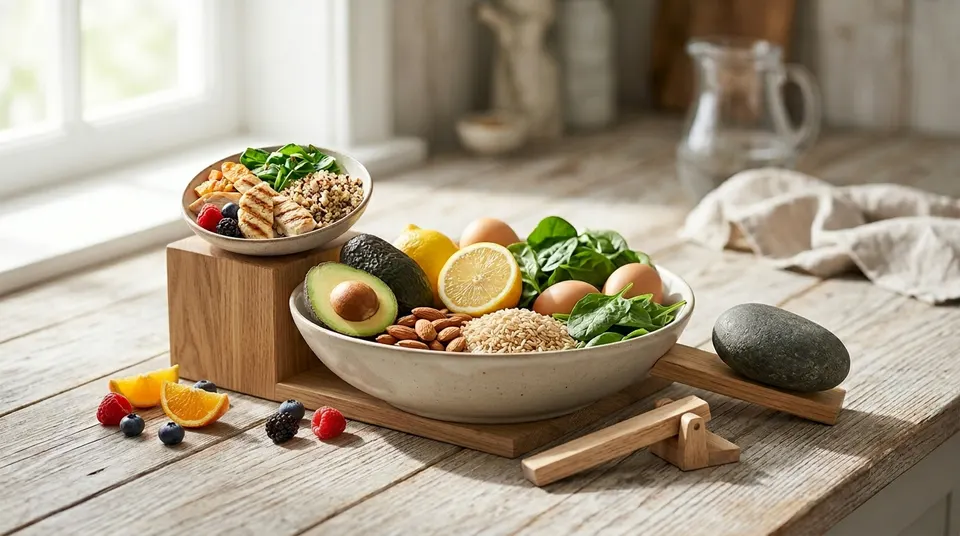
Sleep: The Missing Energy Lever
One night of poor sleep reduces insulin sensitivity by 15–25% the next day. How sleep changes what your body does with food — and why your food strategy can be right but your energy still crashes.