Insights
Practical lessons from the same knowledge base that powers Naviyara's meal insights, label guidance, and diploma paths.

Natural & Organic: What the Certifications Actually Mean
Cosmetics labelled 'natural' or 'organic' carry specific certification standards — COSMOS, Ecocert, Natrue, and others. But '% naturally derived' is not the same as 'organic,' and not all certifications require the same rigour.
Longevity
Longevity isn't shaped by exotic diets or single superfoods — it's built from everyday patterns that compound over decades. This article goes beyond the balanced plate to explore what nutrition specifically does for lifespan and healthspan: the mechanisms behind inflammaging, cellular repair, mTOR signaling, and microbiome aging, and what makes longevity nutrition distinct from general healthy eating.
Liver
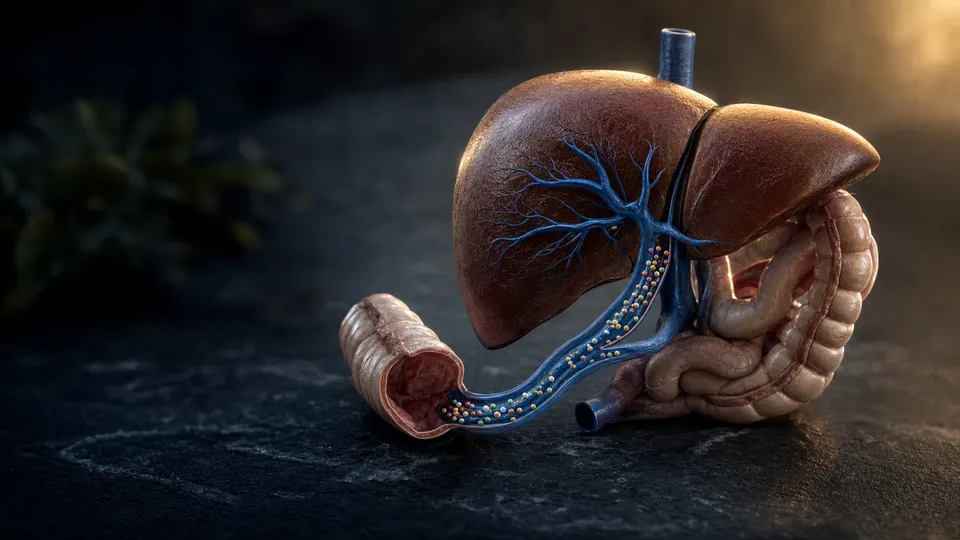
Your liver sits at the junction between your digestive system and the rest of your body — everything you absorb hits the liver first. Learn how the portal vein delivers nutrients, why fructose and alcohol hit the liver especially hard, and what eating patterns actually reduce liver fat and inflammation without generic advice or special supplements.

Protein
Your body doesn't store protein — it recycles it constantly. Learn why that changes how you eat, how protein keeps you full and stabilises blood sugar, how much you actually need (and when more stops helping), and a simple pattern for getting enough without tracking grams.
Protein
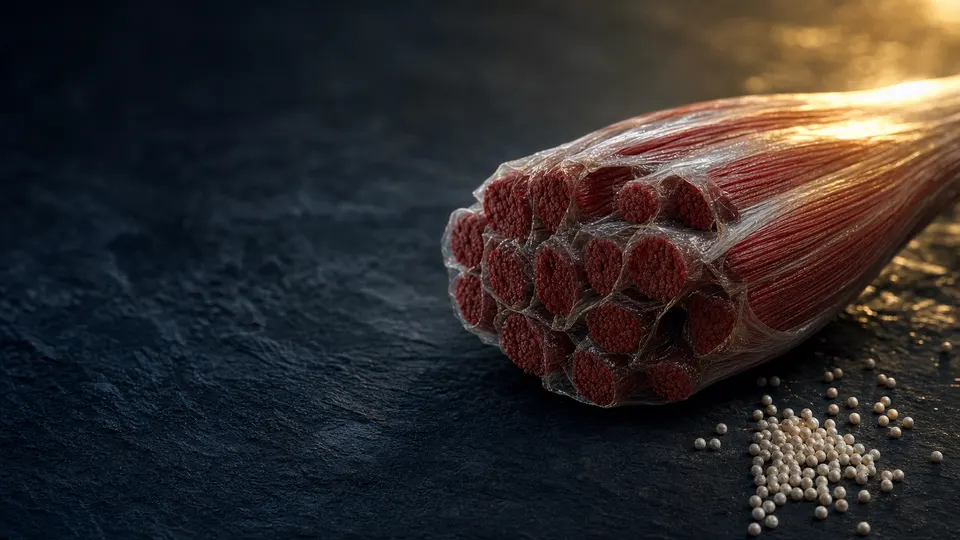
Your body doesn't store protein — when supply runs low, it breaks down muscle to keep critical functions running. This article explains why protein needs regular replenishment, how the per-meal ceiling for muscle building shapes when you eat it, what animal and plant sources actually deliver (you're always eating a package, not just protein), and how to build a pattern that works without tracking every gram.
Protein, Fat, and Micronutrients
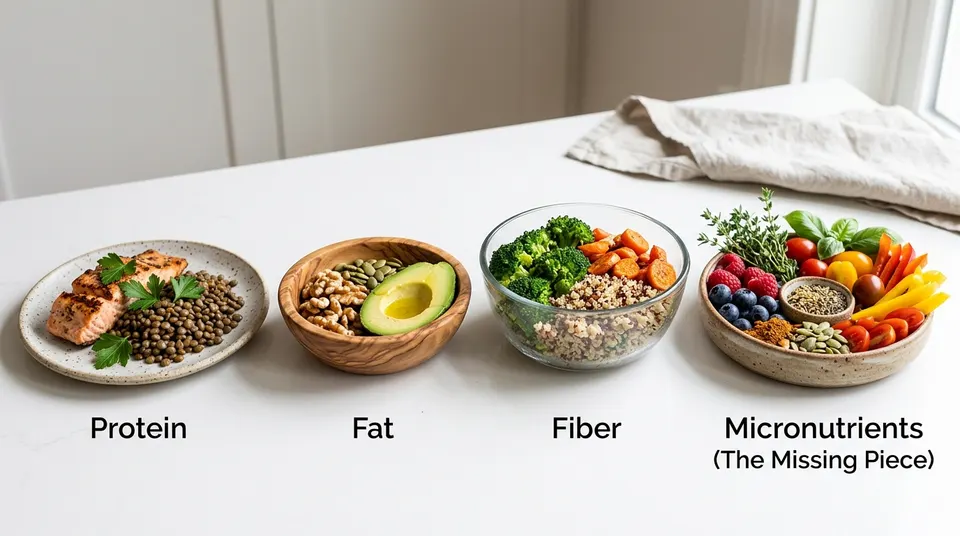
Two nutrients that stabilize energy through different mechanisms, the micronutrient cofactors that let your cells actually use that energy, and the fastest-acting lever of all — hydration.
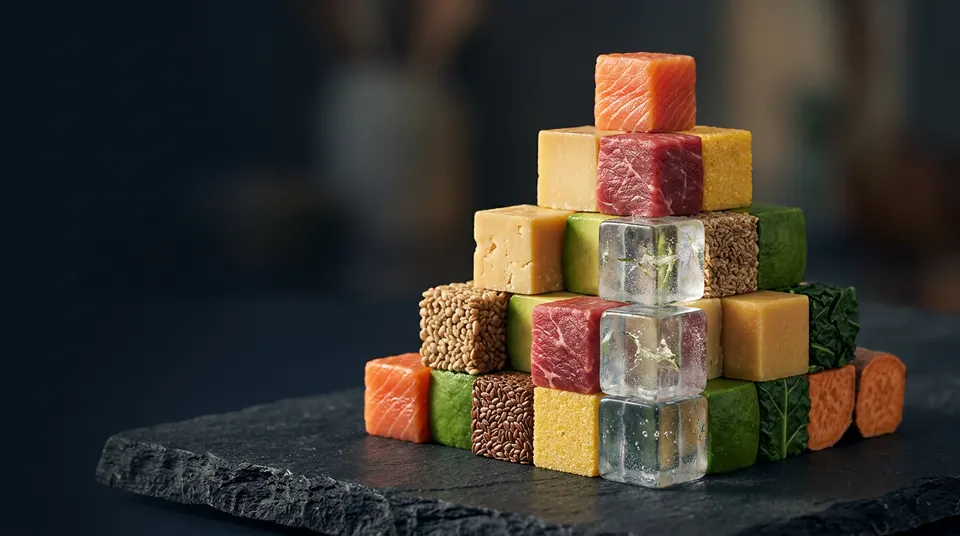
What Is Food, Really?
Food is far more than calories — it's the raw material your body uses to build, regulate, and protect itself. This foundation explores what food actually does: how macronutrients provide energy and structure, how micronutrients enable your body's chemical reactions, and why fiber and water matter just as much.

Water & Hydration
Water is the only nutrient you'll run out of in days, not weeks—and even small deficits reduce blood volume enough to affect your energy and focus. Your body has a built-in feedback system that makes urine color and thirst reliable guides.

Vitamins: The Coenzyme Toolkit
Vitamins are organic compounds your body needs but cannot make on its own. Unlike energy nutrients, they work behind the scenes — enabling chemical reactions, supporting immunity, and maintaining your skin, bones, and nervous system.
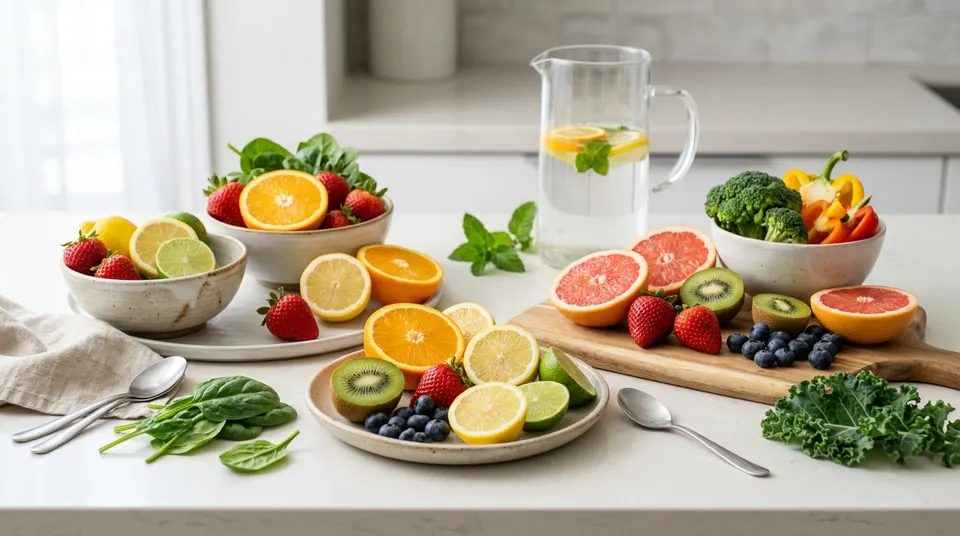
Vitamin C: Antioxidant Protection and Collagen Support
Vitamin C is one of the most popular skincare ingredients, but its effectiveness depends almost entirely on formulation — the form of vitamin C used, its concentration, pH, packaging, and how it is combined with other ingredients. This article covers what vitamin C actually does in the skin, how to choose an effective product, and how to use it in a routine.
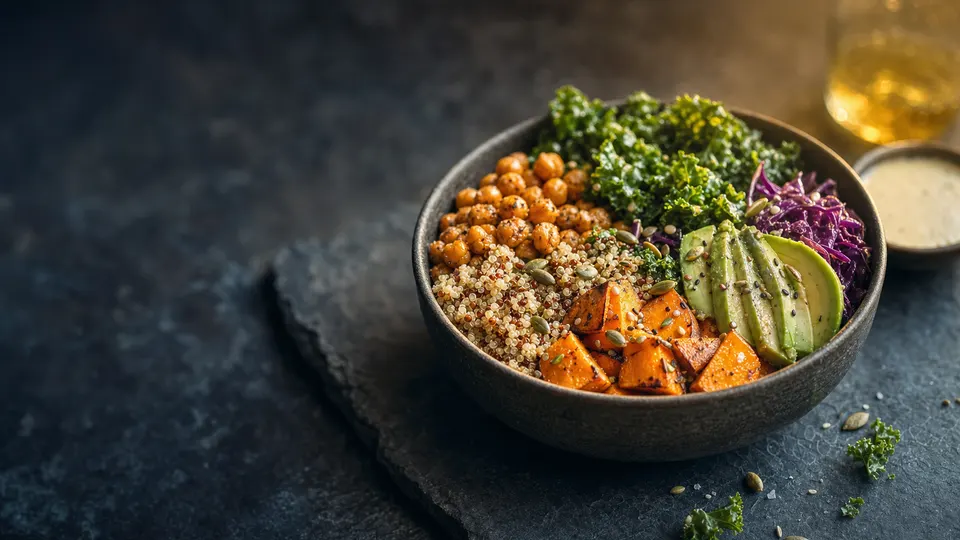
Vegetarian Diet
" This article explains what actually shifts when you remove meat: why non-heme iron absorbs at a fraction of the rate, how plant protein amino acid profiles work across meals, what the omega-3 conversion problem really means, and what the evidence says about health outcomes. Understanding these mechanisms makes vegetarian eating straightforward.
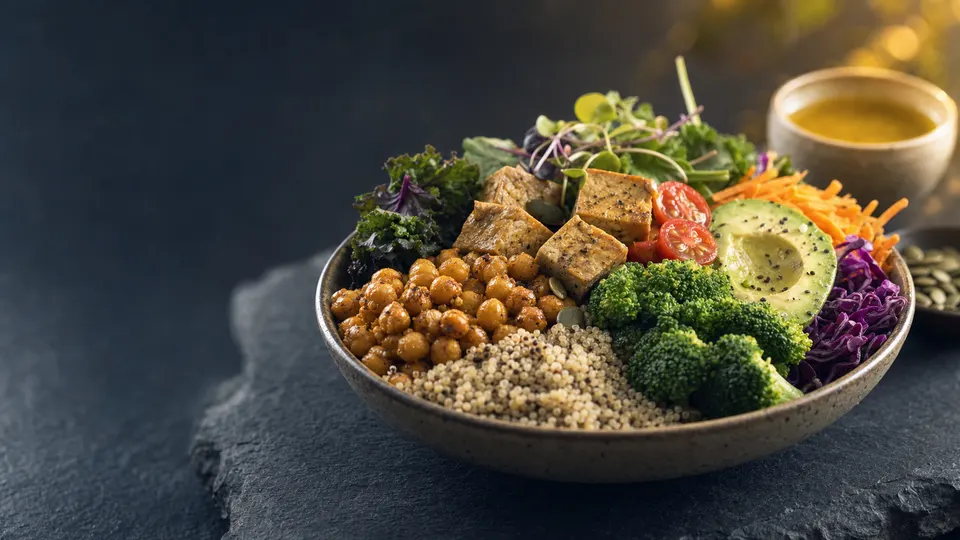
Vegan Diet
A vegan diet excludes all animal products and is built entirely from plants. Removing animal products creates specific nutrient gaps—B12, iron, zinc, omega-3s, iodine, and selenium—each with a straightforward solution.